
Understanding Knee Injuries
The knee is the most common reason active people across the Sunshine Coast seek specialist sports medicine assessment - whether that's a fresh injury from sport in Noosa or Caloundra, or a chronic condition that has been limiting you for months. As a complex hinge joint bearing significant load during movement, it is vulnerable to injuries ranging from acute ligament tears to chronic overuse conditions that develop gradually over time.
Accurate early diagnosis is critical for knee injuries. The treatment path for a complete ACL tear is very different from a meniscal injury or patellofemoral pain, and getting the diagnosis right from the start ensures you receive the most appropriate care and the best possible outcome.
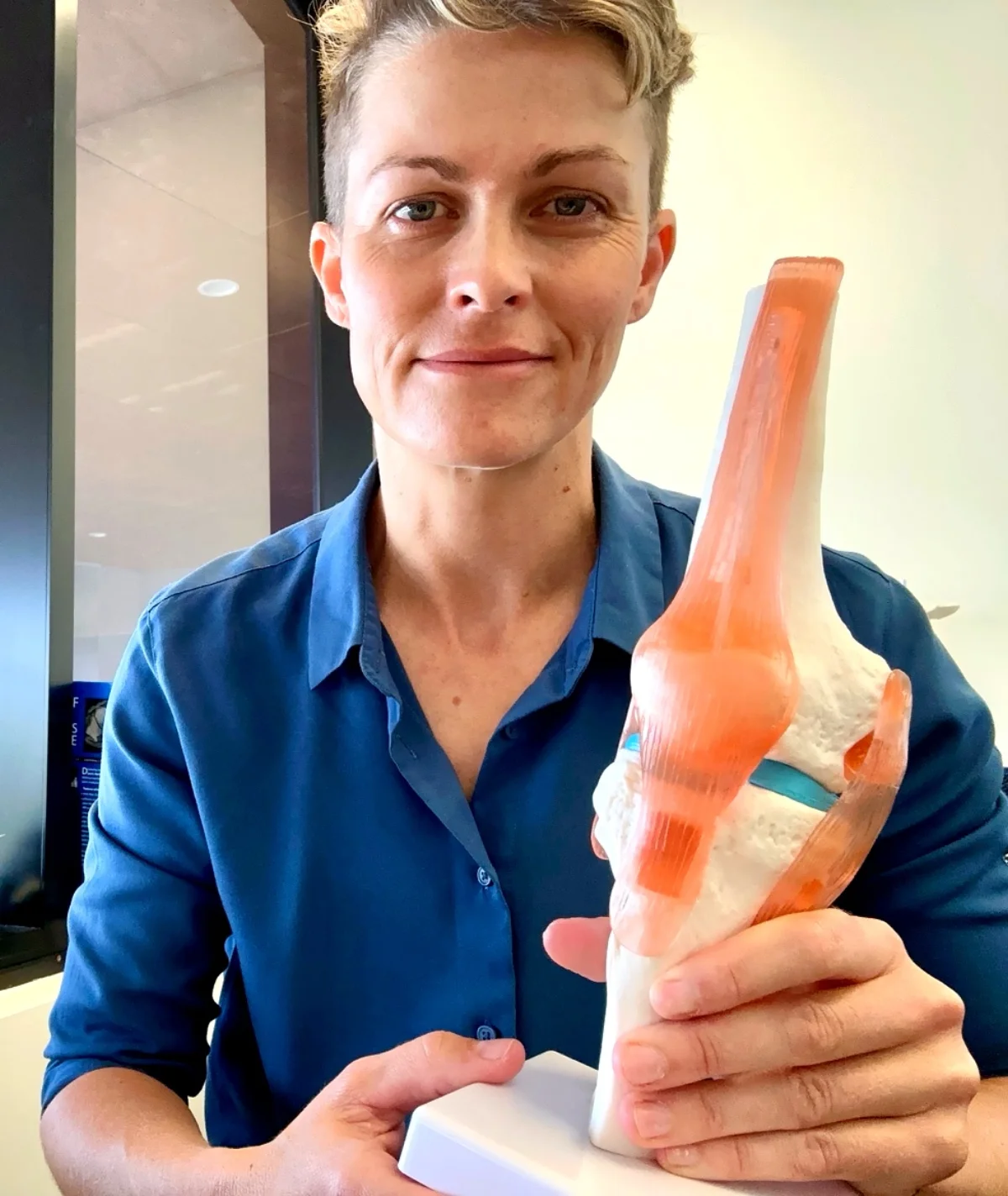
Ligament Injuries
Knee ligament injuries are common in sports involving pivoting, cutting, and contact. The four major knee ligaments each have distinct injury patterns and treatment approaches:
- ACL (Anterior Cruciate Ligament) - Often injured during non-contact pivoting or landing. May require surgical reconstruction depending on activity demands, age, and injury pattern. I guide patients through the decision-making process and provide pre- and post-operative care.
- PCL (Posterior Cruciate Ligament) - Typically injured by a direct blow to the front of the shin. Often managed conservatively with structured rehabilitation.
- MCL (Medial Collateral Ligament) - Common in contact sports. Most MCL injuries heal well with bracing and progressive rehabilitation without surgery.
- LCL (Lateral Collateral Ligament) - Less common but can occur with significant trauma. Assessment for associated injuries is important.
- Multi-ligament injuries - Complex injuries involving two or more ligaments require urgent specialist assessment and coordinated surgical planning.
Meniscal Injuries
The menisci are C-shaped cartilage structures that act as shock absorbers in the knee. Meniscal tears can result from acute twisting injuries or develop gradually with wear and tear. Symptoms often include pain along the joint line, swelling, clicking, catching, or a sensation of the knee locking.
Treatment depends on the type, location, and size of the tear, as well as your age, activity level, and symptoms. Many meniscal tears respond well to conservative management with targeted rehabilitation. When surgery is indicated, I coordinate with trusted orthopaedic surgeons and support your recovery.
Patellofemoral Pain & Patellar Conditions
- Patellofemoral pain syndrome - Anterior knee pain related to how the patella tracks within the femoral groove. Usually responds well to targeted strengthening and load management.
- Patellar tendinopathy (jumper's knee) - Overuse injury of the patellar tendon, common in sports involving jumping and sprinting. Requires a structured loading program and often benefits from shockwave therapy.
- Patellar dislocations - Acute traumatic dislocation of the kneecap, which may require investigation for underlying structural factors.
Knee Osteoarthritis
Osteoarthritis is the most common form of arthritis and frequently affects the knee. Management - including exercise, weight management, and targeted treatments - can significantly reduce pain and improve function without surgery. Visit my Osteoarthritis Clinic page for more information.
Other Knee Conditions
- ITB syndrome - Lateral knee pain common in runners and cyclists, related to the iliotibial band.
- Cartilage & osteochondral injuries - Damage to the joint surface from acute trauma or progressive wear.
- Growth plate injuries - Including Osgood-Schlatter disease in adolescents.
- Baker's cyst - Fluid-filled swelling behind the knee, often secondary to an underlying problem.